Freshly added to the library
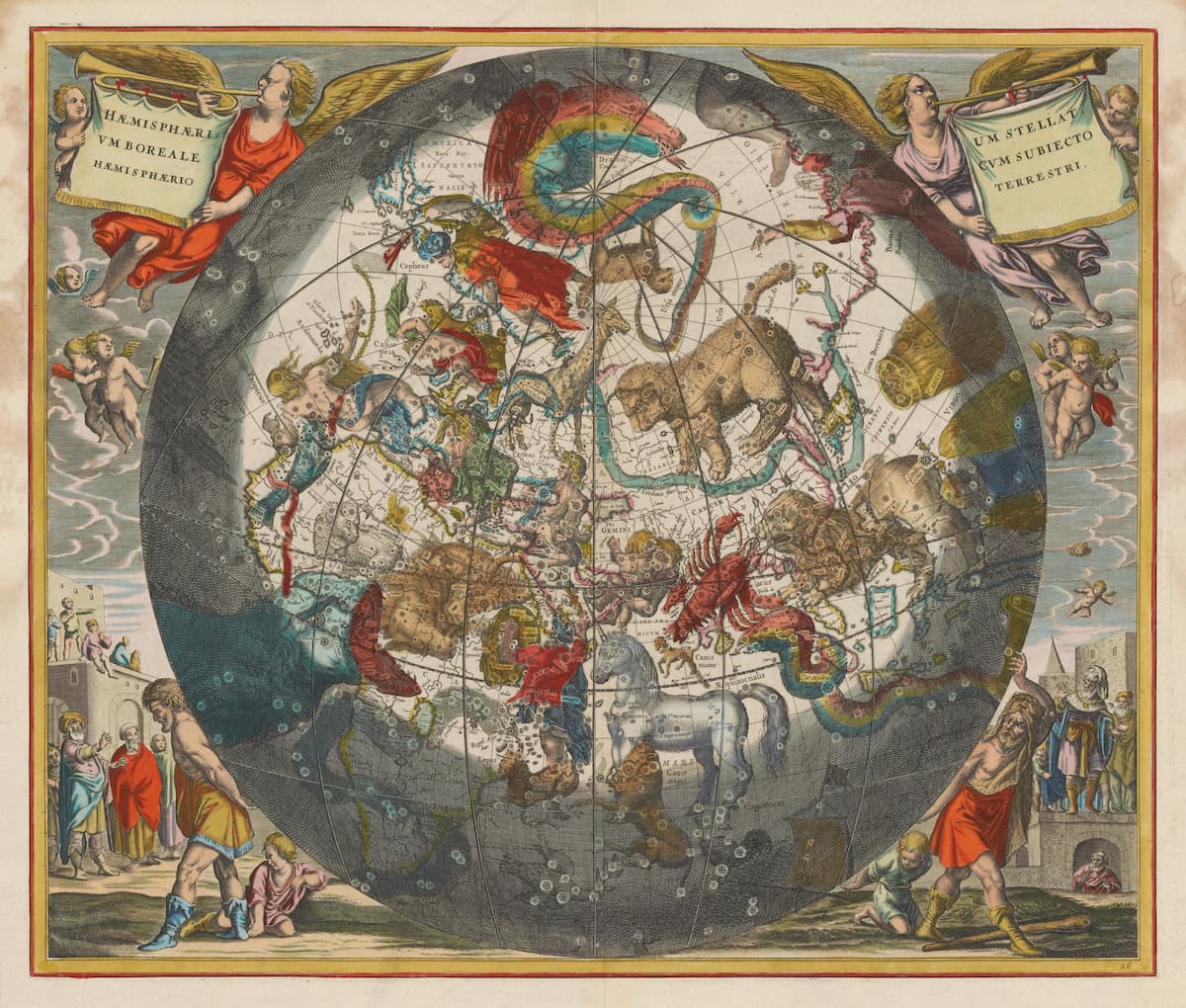
Not because it is old, nor because Earth's axis has shifted. The decisive reason is elsewhere: whenever it is tested double-blind, astrology performs no better than chance.
Not an explosion in space but the expansion of space itself. The timeline from 10⁻⁴³ seconds to today, the three pillars of evidence, and why the universe's fate was rewritten in 1998.
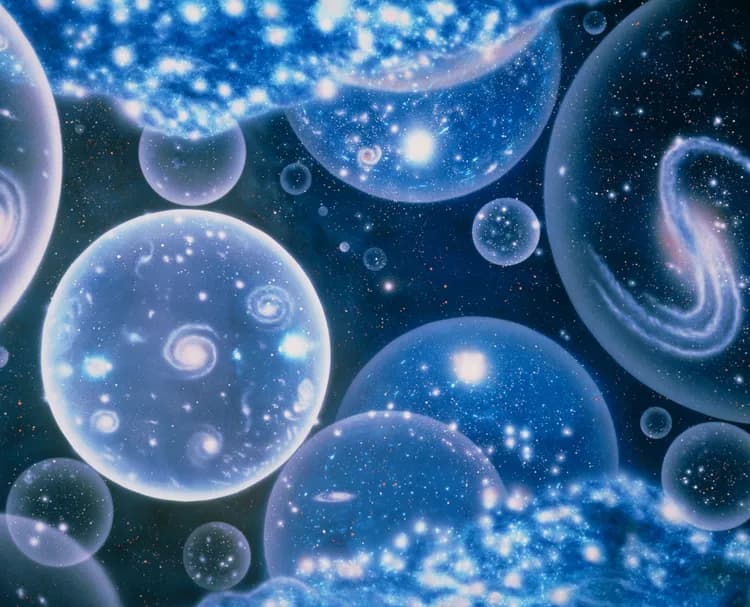
First, two things often confused: the observable universe has a boundary; the universe may not. Then Max Tegmark's four levels of multiverse — and whether any of it counts as science.
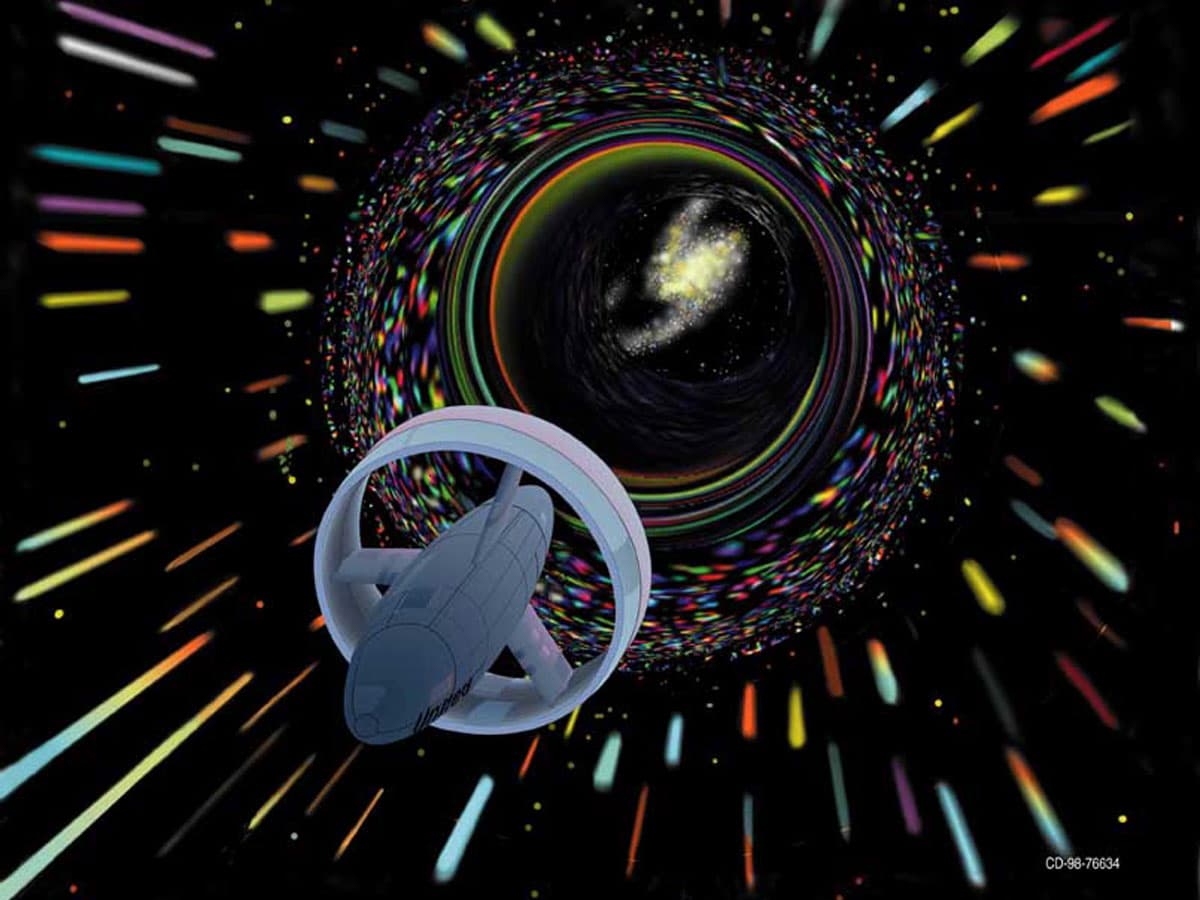
They come out of the same equations as black holes, yet black holes have been photographed while these two have never been observed. Why they almost certainly do not exist in the visible universe.
252 million years ago, about 80% of marine species vanished within tens of thousands of years. The culprit was not an impact but a volcanic province that erupted for hundreds of thousands of years in what is now Siberia.
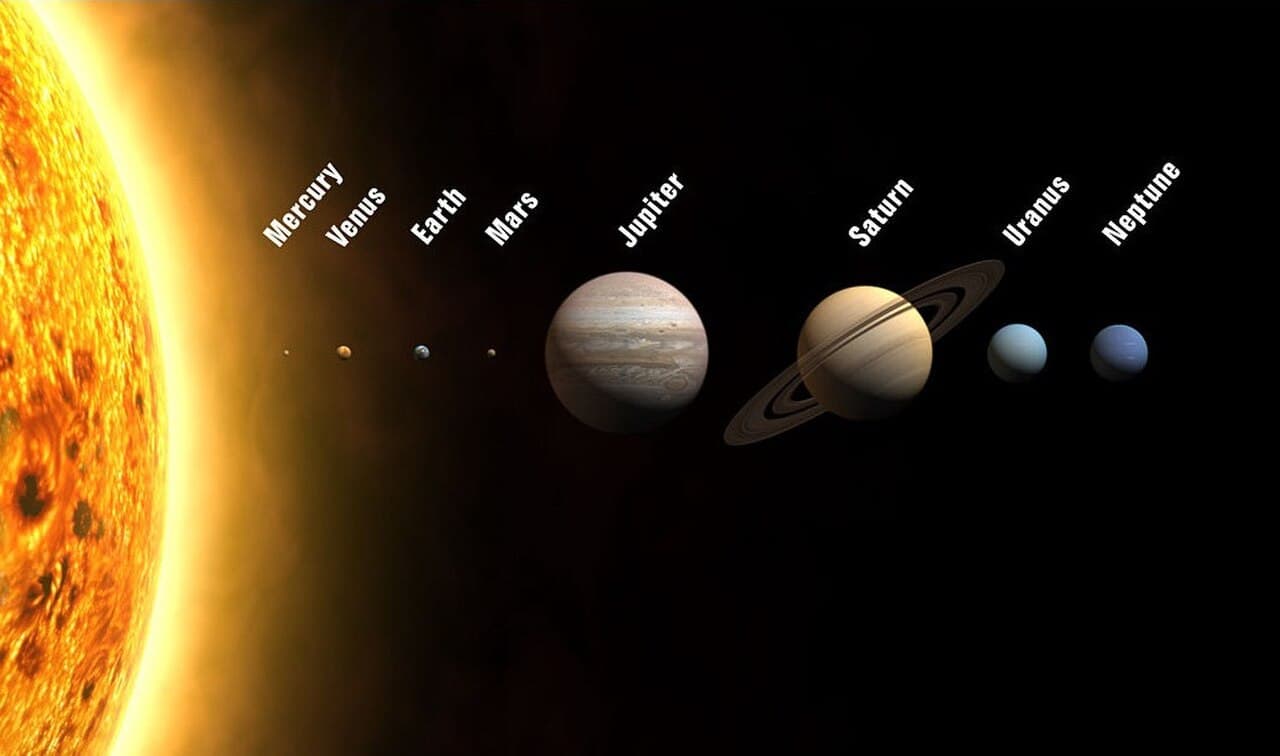
The Solar System has eight planets — a number settled only in 2006, when the IAU set three criteria and Pluto failed the third.
Nothing set the planets spinning by hand. Their rotation is the sum of billions of off-centre impacts in the protoplanetary disk — and sometimes one collision was enough to flip everything over.
The Sun holds 99.86% of the Solar System's mass and fuses 600 million tonnes of hydrogen every second. All light, weather and life on Earth trace back to it.
Orbits are ellipses, not circles; planets move faster when near and slower when far; and one formula ties period to distance for everything orbiting the Sun.
The band of light across the night sky is our own galaxy's disk, seen from inside it. Beyond it lie hundreds of billions more, and their shapes record their collision histories.
A ball of gas becomes a star only when heavy enough to ignite fusion — about 80 Jupiter masses. Initial mass then decides nearly everything else, including how it dies.
Pluto lost nothing — the definition changed. It began with the 2005 discovery of Eris, more massive than Pluto, forcing astronomers to choose between many more planets or one fewer.