18 articles
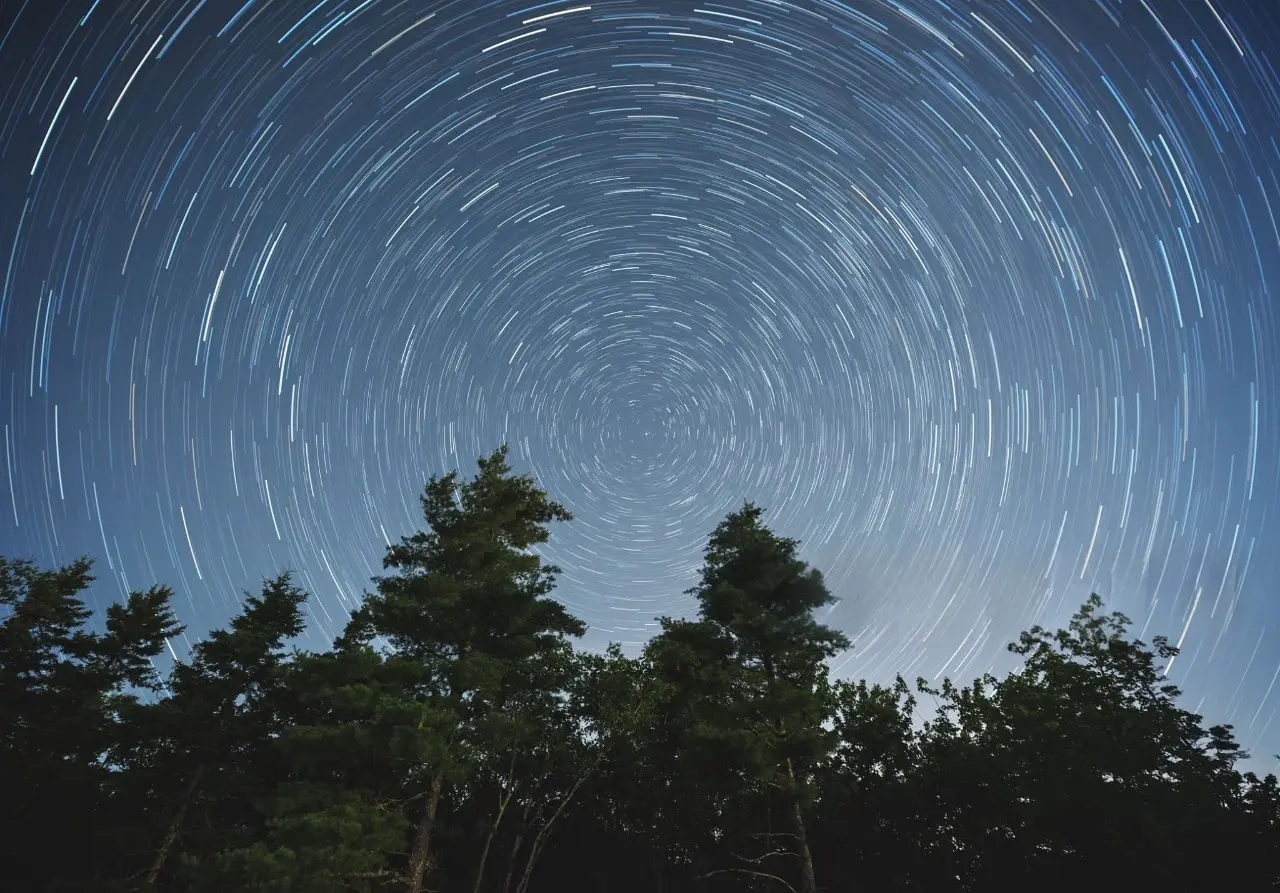
Each morning, the Sun does not actually "rise" from the horizon. Instead, Earth’s rotation carries our location into the sunlit region. At the equator, the planet’s surface moves at approximately 1,670 km/h, faster than most commercial aircraft. Why, then, do we not perceive this motion, and why are we not flung into space?
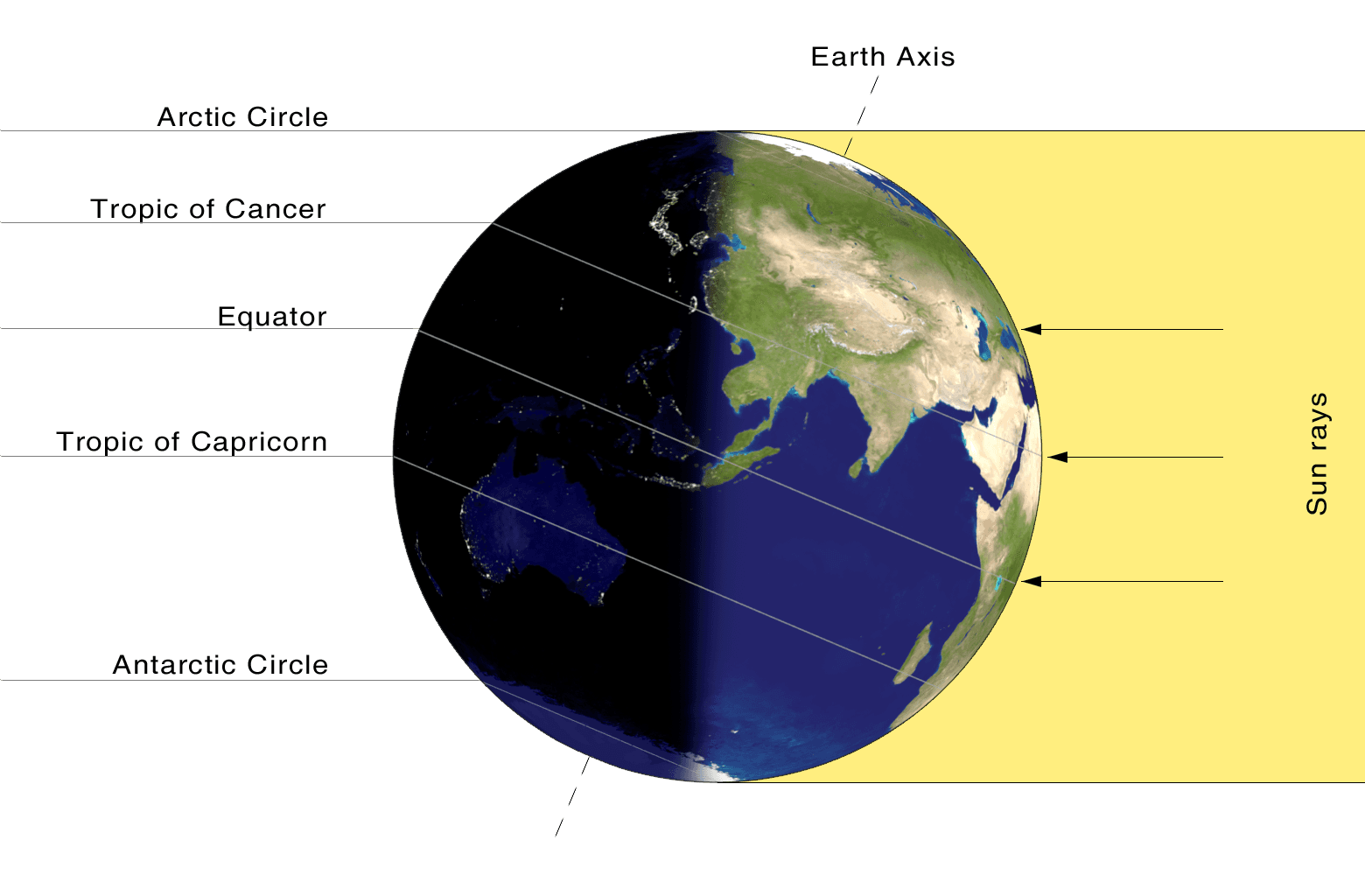
Earth is closest to the Sun in early January — the middle of the northern winter. Seasons come not from how much energy arrives but from how the 23.44° axial tilt distributes it between hemispheres and across the year.
Barely heated or altered in 4.6 billion years, comets are the closest thing we have to the raw material the planets were built from — and Rosetta's in-situ data revised a good deal of what was believed about them.
It all began with a collapsing cloud of gas and dust 4.57 billion years ago. The hardest question is not how planets formed, but why the Sun holds 99.86% of the mass yet only 1% of the angular momentum.
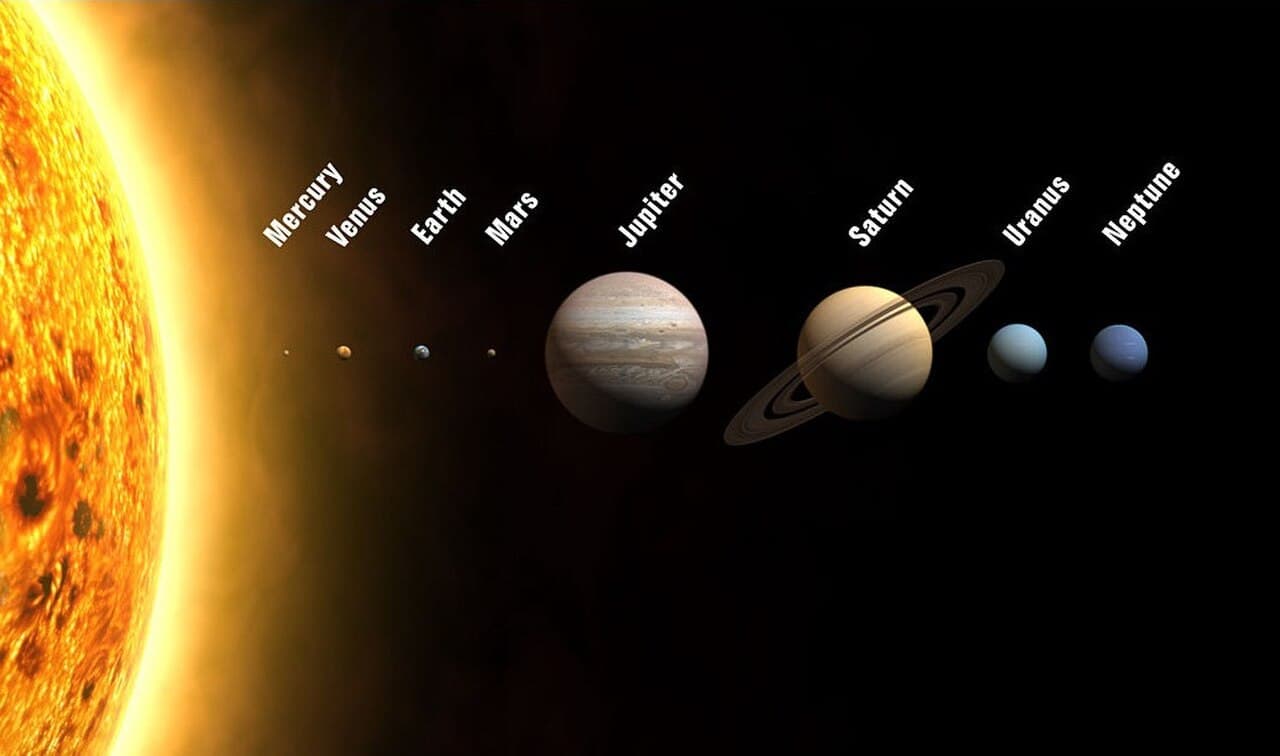
The Solar System has eight planets — a number settled only in 2006, when the IAU set three criteria and Pluto failed the third.
Nothing set the planets spinning by hand. Their rotation is the sum of billions of off-centre impacts in the protoplanetary disk — and sometimes one collision was enough to flip everything over.
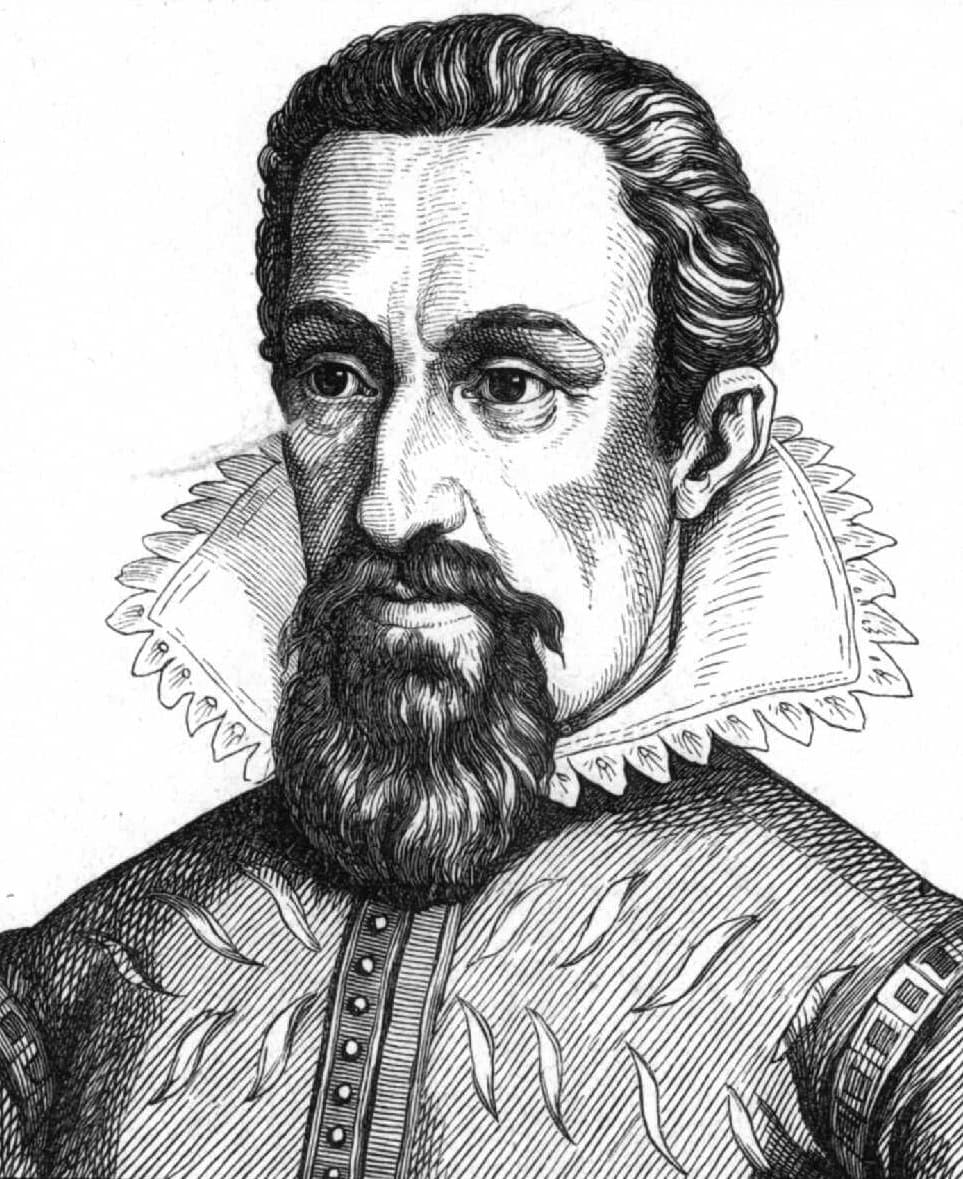
Orbits are ellipses, not circles; planets move faster when near and slower when far; and one formula ties period to distance for everything orbiting the Sun.
Pluto lost nothing — the definition changed. It began with the 2005 discovery of Eris, more massive than Pluto, forcing astronomers to choose between many more planets or one fewer.
Eleven times wider than Earth, yet it turns once every 9 hours 55 minutes. Why Jupiter spins so fast — and what slowed it down.
The smallest planet and the closest to the Sun, where a day outlasts a year and the day-night temperature gap reaches 600°C.
Both act at a distance, both propagate as fields, both weaken with range. But one arises from mass and the other only from moving charge — and that difference decides whether a planet keeps its atmosphere.
Earth's twin in size, yet 464°C at the surface under 92 times our pressure - Venus shows how far a climate can slide.