6 articles
Stellar life cycles, black holes, nebulae and the large-scale structure of the universe.
Alpha Centauri is the closest star system to the Solar System, located approximately 4.37 light-years away. It is a triple star system comprising Alpha Centauri A, Alpha Centauri B, and Alpha Centauri C (Proxima Centauri). Proxima Centauri, a small red dwarf in the outermost orbit, is the closest individual star to Earth, situated about 4.25 light-years away.
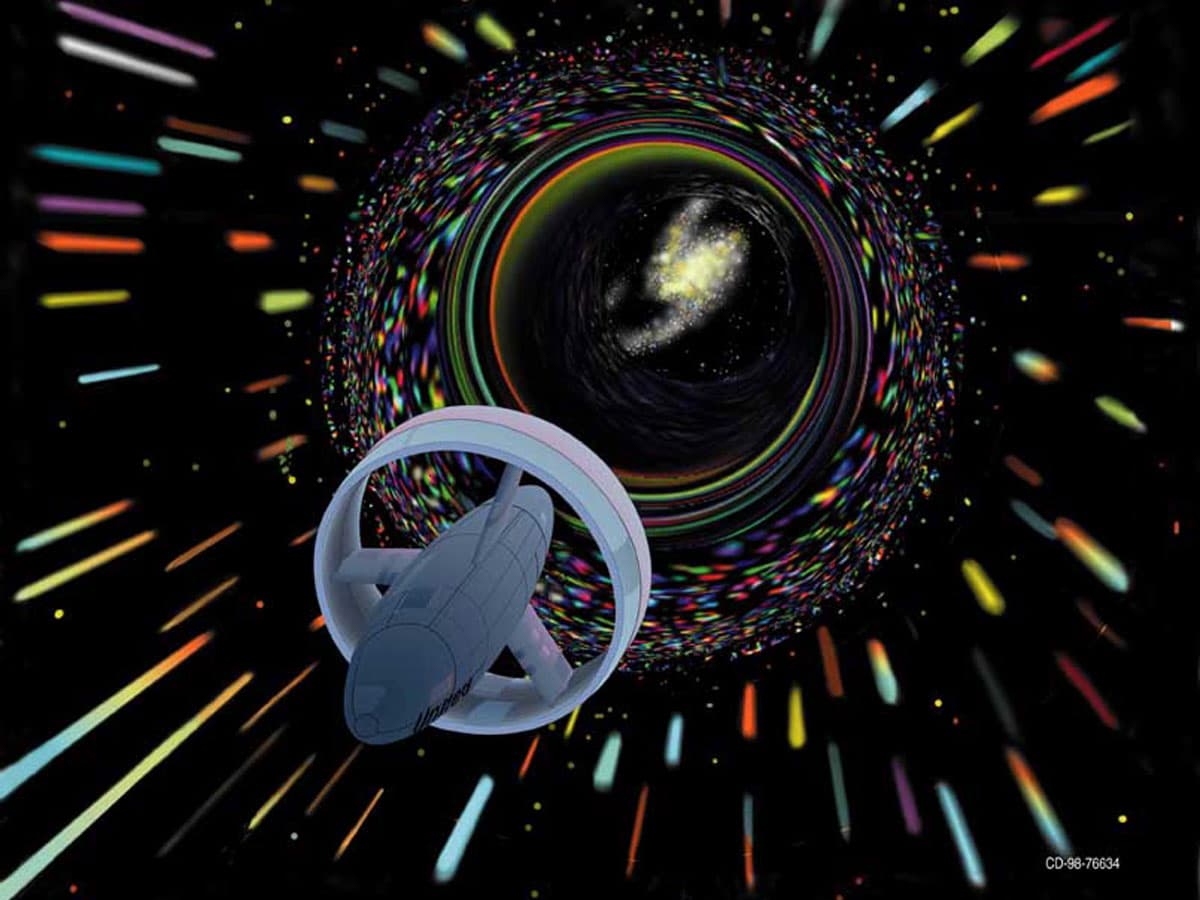
They come out of the same equations as black holes, yet black holes have been photographed while these two have never been observed. Why they almost certainly do not exist in the visible universe.
The band of light across the night sky is our own galaxy's disk, seen from inside it. Beyond it lie hundreds of billions more, and their shapes record their collision histories.
A ball of gas becomes a star only when heavy enough to ignite fusion — about 80 Jupiter masses. Initial mass then decides nearly everything else, including how it dies.
Ranked by apparent magnitude — brightness as seen from Earth, not true luminosity. Sirius leads because it is close; Deneb makes the list from hundreds of times farther away.
Not cosmic vacuum cleaners but regions where spacetime curves so sharply no path leads out. From theory to the first image in 2019.