6 articles
By definition, a vacuum is a space nearly devoid of matter. Outer space is the largest known natural vacuum, characterized by an extremely low density of matter.
No single method stands alone: parallax calibrates Cepheids, Cepheids calibrate Type Ia supernovae, and those calibrate the Hubble constant — which is why a disagreement at the top forces a re-check of every rung below.
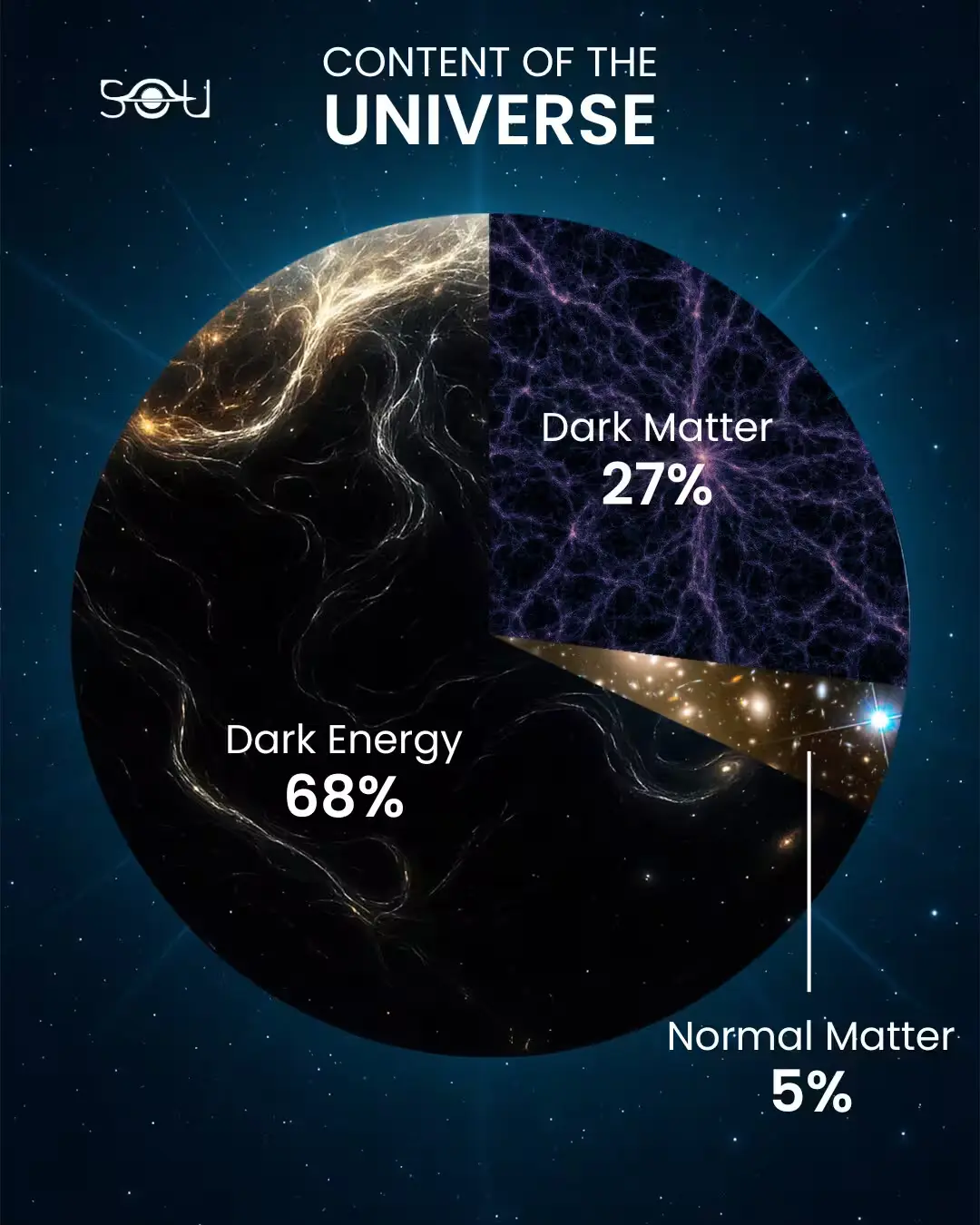
They share only the word "dark" and the fact that nobody has seen either. One pulls matter together, the other pushes space apart. Together they are 95% of the universe, and we do not know what either one is.
Not an explosion in space but the expansion of space itself. The timeline from 10⁻⁴³ seconds to today, the three pillars of evidence, and why the universe's fate was rewritten in 1998.
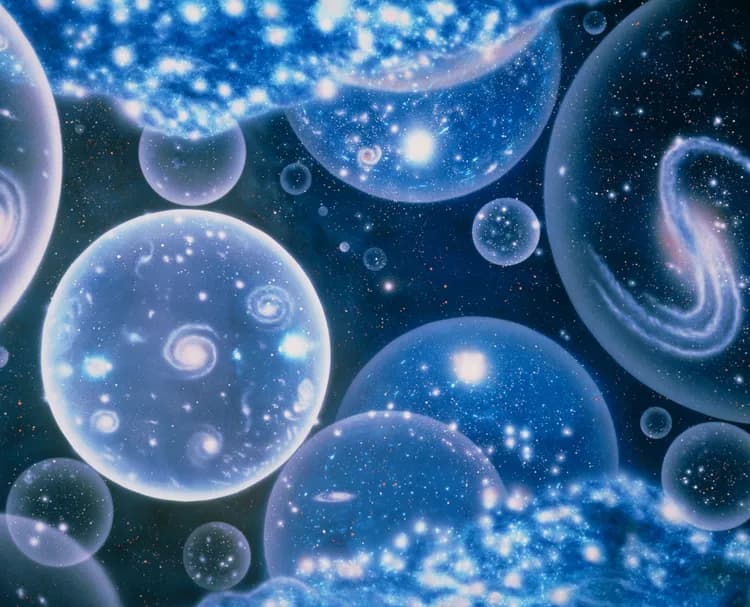
First, two things often confused: the observable universe has a boundary; the universe may not. Then Max Tegmark's four levels of multiverse — and whether any of it counts as science.
The band of light across the night sky is our own galaxy's disk, seen from inside it. Beyond it lie hundreds of billions more, and their shapes record their collision histories.
 Space Exploration