Contents
Archival material. This article presents the content of the document Phương pháp Tác động Cột sống Việt Nam ("Vietnamese Spinal Impact Method"; Hanoi Spinal Impact Association — Hanoi Association of Traditional Medicine) for archiving, research and reference. Quoted passages are the document's own words, not medical conclusions of Sciencepedia, and they do not replace diagnosis or treatment by a health professional.
⚠️ When to get medical help right away
The NHS advises calling emergency services or going to A&E if back pain comes with any of these:
- pain, tingling, weakness or numbness in both legs;
- loss of feeling around the genitals or anus;
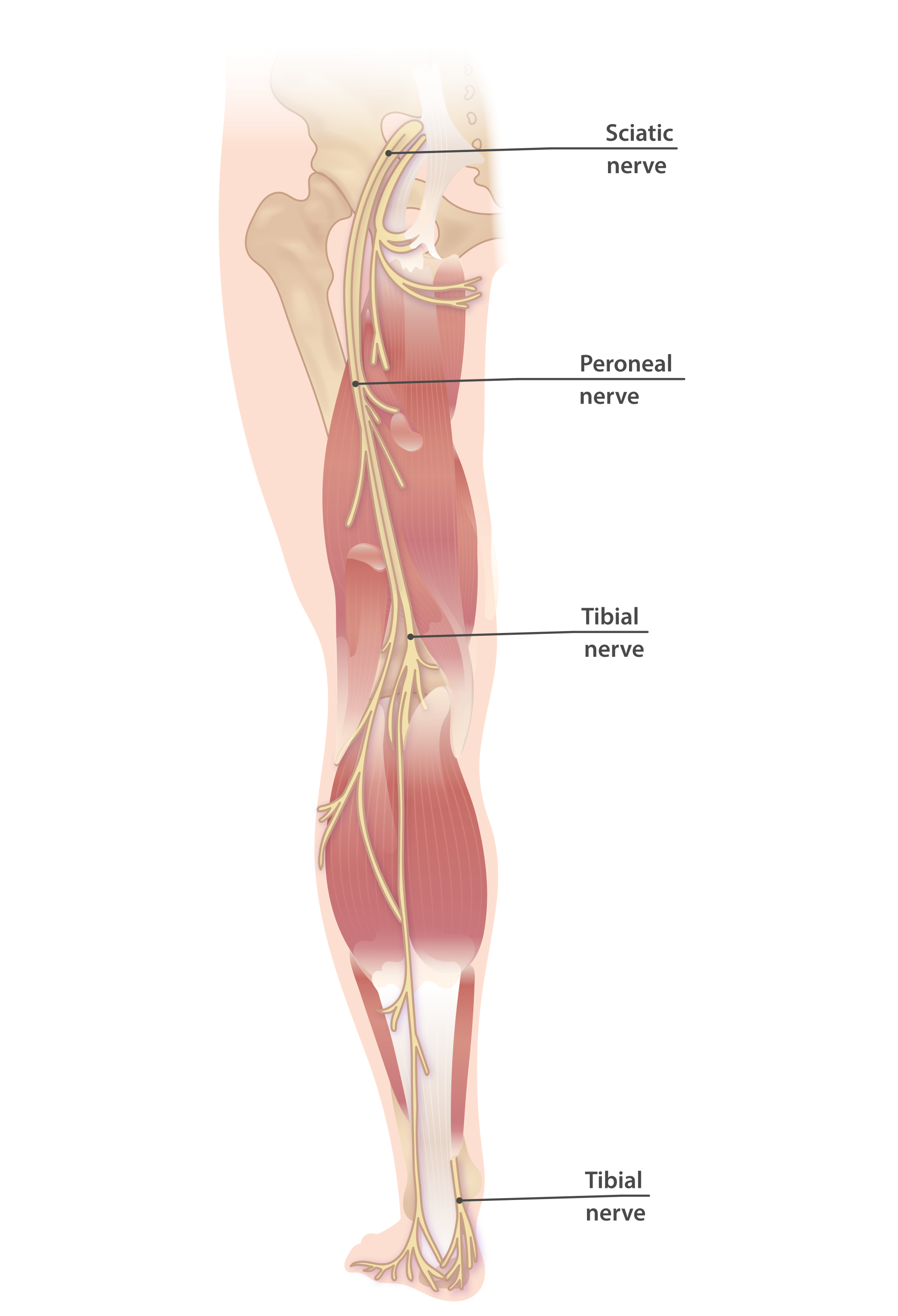
- changes in your bladder or bowels, such as difficulty peeing, or peeing or pooing yourself;
- changes in how your penis or vagina feels during sex, not being able to get or keep an erection, or not being able to orgasm;
- chest pain;
- pain that started after a serious accident.
MedlinePlus advises contacting a health professional right away for back pain with signs such as unexplained fever, a history of cancer, pain travelling below the knee, pain that is worse lying down or wakes you at night, weakness or numbness in the buttocks, thigh, leg or pelvis, or difficulty walking or keeping your balance. MedlinePlus also advises contacting a health professional if an episode has lasted longer than 4 weeks.
According to the NHS, back pain is very rarely a sign of a serious problem such as a broken bone, cancer or an infection.
What is acute back pain?
According to MedlinePlus (U.S. National Library of Medicine), low back pain is pain felt in the lower back, possibly with stiffness, reduced movement and difficulty standing straight. Acute back pain can last from a few days to a few weeks.
It usually starts just after lifting something heavy, moving suddenly, sitting in one position for a long time, or an injury or accident. MedlinePlus says acute low back pain is most often caused by a sudden injury to the muscles and ligaments that support the back; the pain may be caused by muscle spasms or by a strain or tear in the muscles and ligaments. The NHS also names a pulled muscle (strain) as a common cause.
Back pain usually improves within a few weeks but can sometimes last longer or keep coming back (NHS); MedlinePlus says most people improve or recover within 4 to 6 weeks, often sooner. MedlinePlus also notes that bed rest is not recommended.
Acute versus chronic
The U.S. National Institute of Neurological Disorders and Stroke (NINDS) describes acute pain as pain that starts suddenly and ends when its cause is treated or healed. Pain lasting longer than three months, or beyond the expected healing time, is chronic pain — and in some cases an acute pain condition can persist and become chronic.
Symptoms described in the document
It usually appears suddenly after an excessive movement or a movement in an awkward posture: one hears a click and then feels pain
Right after it happens (after the click) the pain is mild, then it gradually increases, sometimes becoming very painful; movement is limited, bending forward and backward is difficult, and turning over in bed also hurts. Patients often walk in a pain-relieving posture (bent over or leaning to one side).
In the cold season, catching a "wind-cold" chill can also cause acute back pain.
Content according to the Spinal Impact method
How the document examines the patient
Temperature: at the painful area the temperature is high, and there are corresponding temperature zones on the spine (not where it currently hurts) that are also hot.
Key points named by the document
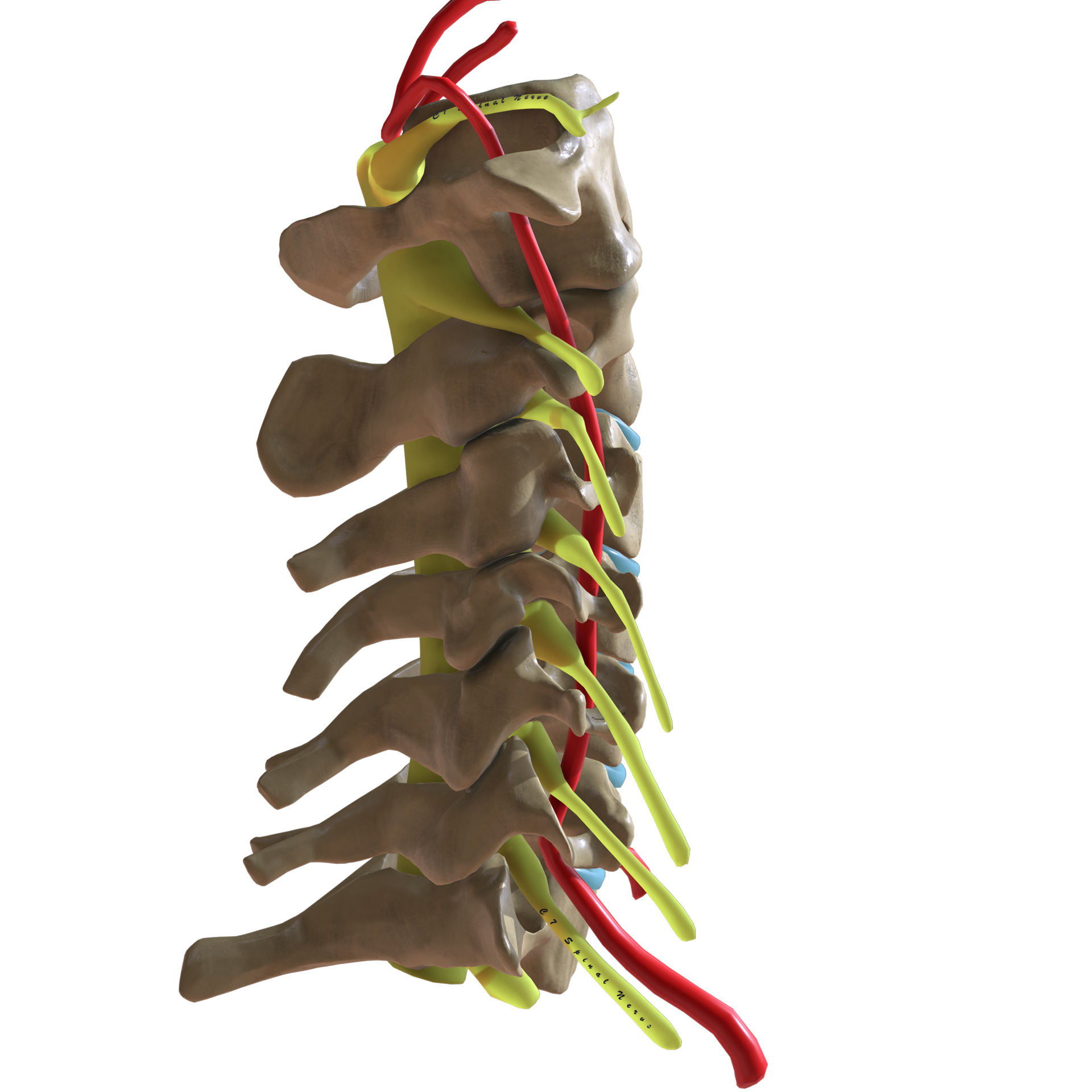
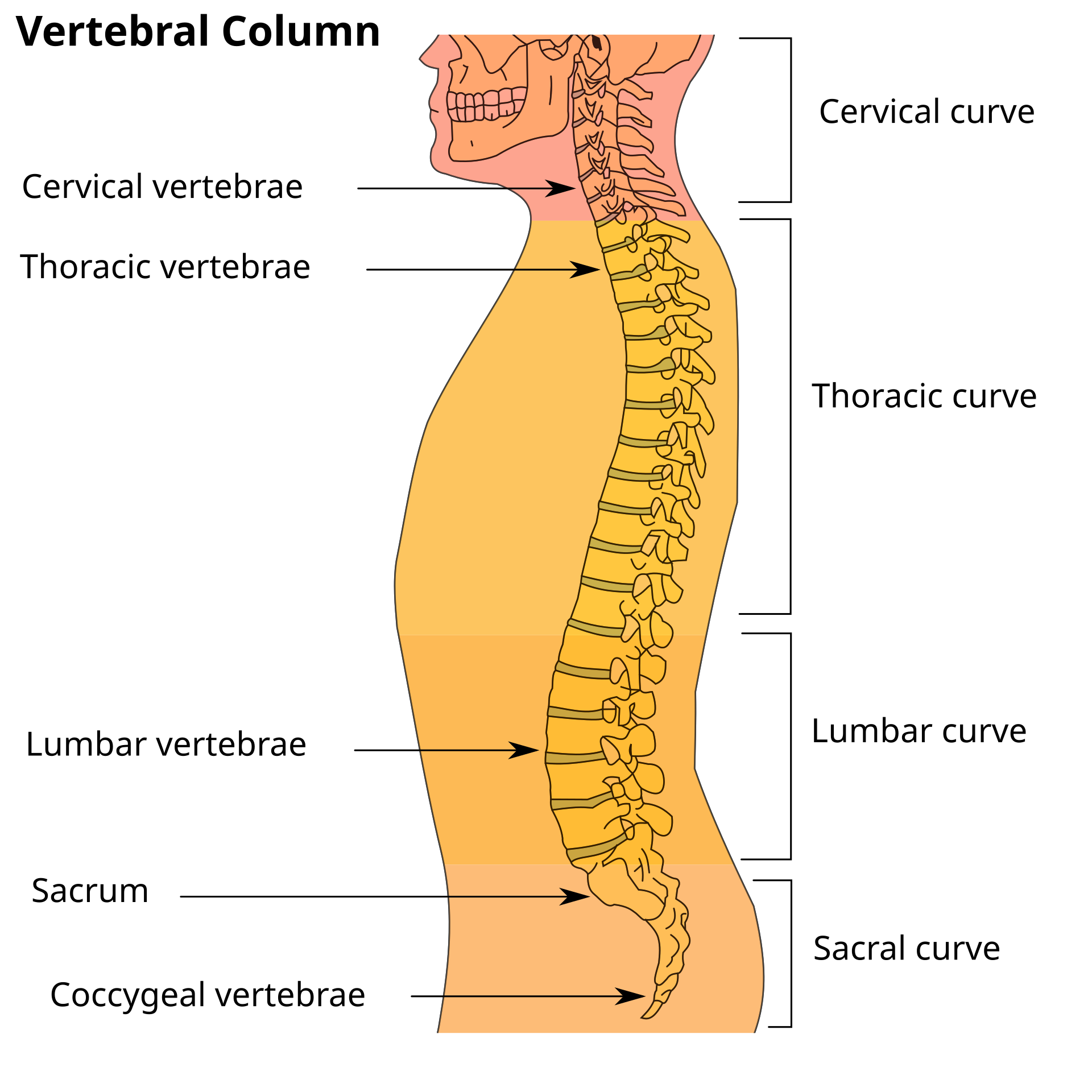
Note: at the painful spot, the painful point on the spine with a high temperature is the diseased zone and is not to be acted on yet; the corresponding zone on the spine must be found and treated instead. If the patient cannot bend forward because of pain, there is usually a point at T2, 3, 7, 8
Vertebrae named by the document:
If the patient cannot sit up straight because of pain, the key points are L4, 5 and S1.
Vertebrae named by the document:
If the patient has an external wind-cold chill without sweating, with severe back pain and difficulty moving … the key points also usually include T2, 3.
Vertebrae named by the document:
If the patient sweats a lot, treat both sides of the occipital fossa inward to C1, 2, with "song chỉnh" (the method's term for acting on two different points at the same time with both hands) at the S region.
Vertebrae named by the document:
Further reading
- Acupoints and acupuncture: how does the "Qi" of Eastern medicine relate to modern science?
- How does stress affect the body, and why does exercise help us unwind?
- How exercise reshapes the heart and blood vessels
More from the Spinal Impact series:
Source document
The document Phương pháp Tác động Cột sống Việt Nam ("Vietnamese Spinal Impact Method"; Hanoi Spinal Impact Association — Hanoi Association of Traditional Medicine), section "I. ĐAU LƯNG CẤP", book pages 1–2 (scan pages 2–3). The page-by-page transcription is kept with the Sciencepedia source code.
🩺 This content is for archiving, research and reference. If you have symptoms, please see a health professional for diagnosis and treatment.
References
- [1]Low back pain - acute — MedlinePlus — U.S. National Library of Medicine
- [2]Back pain — NHS
- [3]Pain — National Institute of Neurological Disorders and Stroke (NIH)
- [4]Phương pháp Tác động Cột sống Việt Nam — Một số bệnh thường gặp và hướng điều trị — I. ĐAU LƯNG CẤP, tr. 1–2 — Chi hội Tác động cột sống Hà Nội — Hội Đông y thành phố Hà Nội
Image: Original: Arcadian Vector: Pixelsquid🎱 — Wikimedia Commons, Public domain.